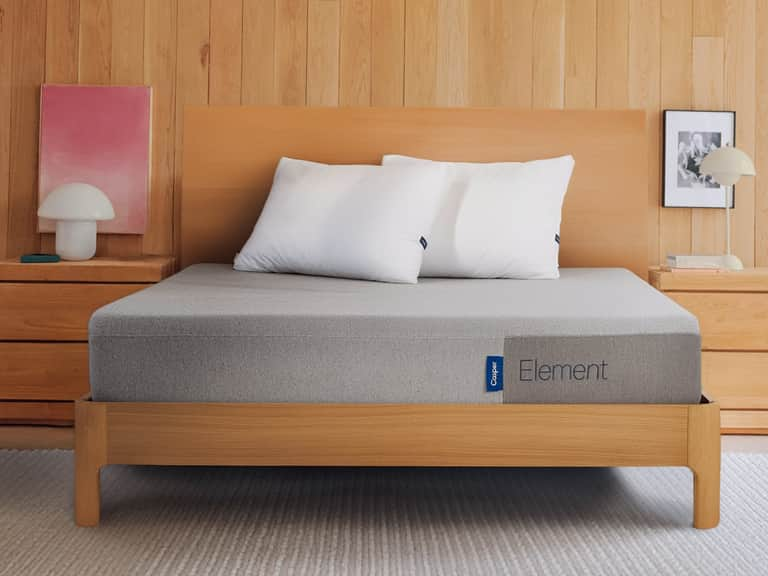
Foam mattresses offer a distinct approach to comfort and support, leveraging layered foam to contour to body shape and relieve pressure points. These mattresses typically combine high-density polyurethane foam with softer transition layers to balance cushioning and support. Understanding the materials helps distinguish memory foam, polyurethane, and latex blends within foam mattress designs.
In foam mattress constructions, zoning and foam firmness levels influence sleep posture alignment, particularly for back and side sleepers. The Original Mattress emphasizes resilient support and durable transition foams, while maintaining a plush surface for reduced motion transfer. Such configurations can aid in reducing tossing and turning through targeted contouring.
The Element Mattress illustrates how layered foam can deliver both contouring comfort and responsive bounce, with breathable covers and ventilation features that support temperature regulation. These design choices contribute to a stable sleeping surface that accommodates different sleep positions and helps maintain sleep quality over time.
Key features to consider include density, density gradients, cooling properties, and edge support provided by foam encasement or reinforced perimeters. Foam mattresses often utilize open-cell constructions and gel-infused foams to enhance airflow, which aligns with bedding considerations such as sheets and organic mattress options for sensitive sleepers.
Overall, foam mattresses in this category emphasize individualized comfort, durable support, and compatibility with a range of bedding accessories. Understanding how original foam layers interact with top fabrics and protective covers can inform choices about sleep firmness, mattress lifespan, and overall sleep health for activities such as rest and recovery.
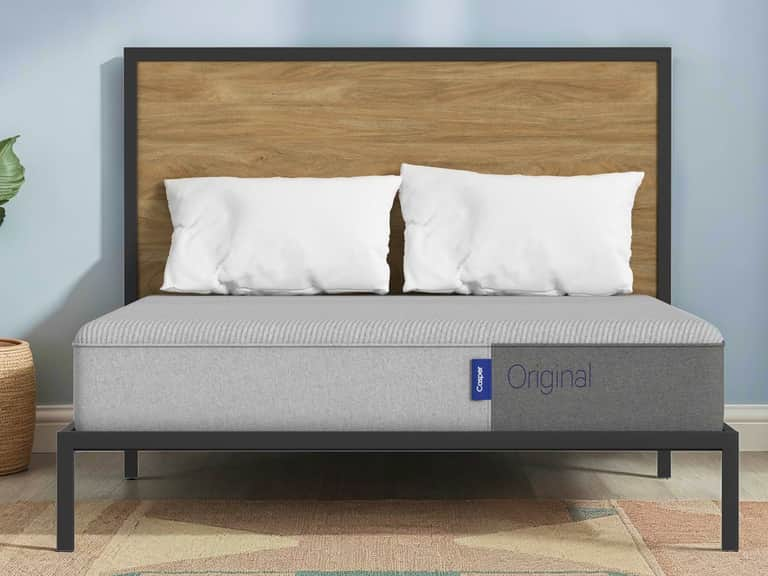 Mattresses