Comforters are insulating bedding layers designed to add warmth, softness, and a finished feel to a bed. Their usefulness depends on factors such as fill, weight, construction, and breathability, which influence how heat is retained and distributed. Choosing a comforter that suits the sleeper and room climate can support more comfortable rest throughout the year.
Fill material affects a comforter’s texture, loft, warmth, and care requirements. Natural and alternative fills may differ in weight and airflow, while stitching helps keep filling evenly distributed. These characteristics matter for people seeking lightweight bedding or greater insulation, and can be considered alongside pillows and sheets when planning a comfortable sleep environment.
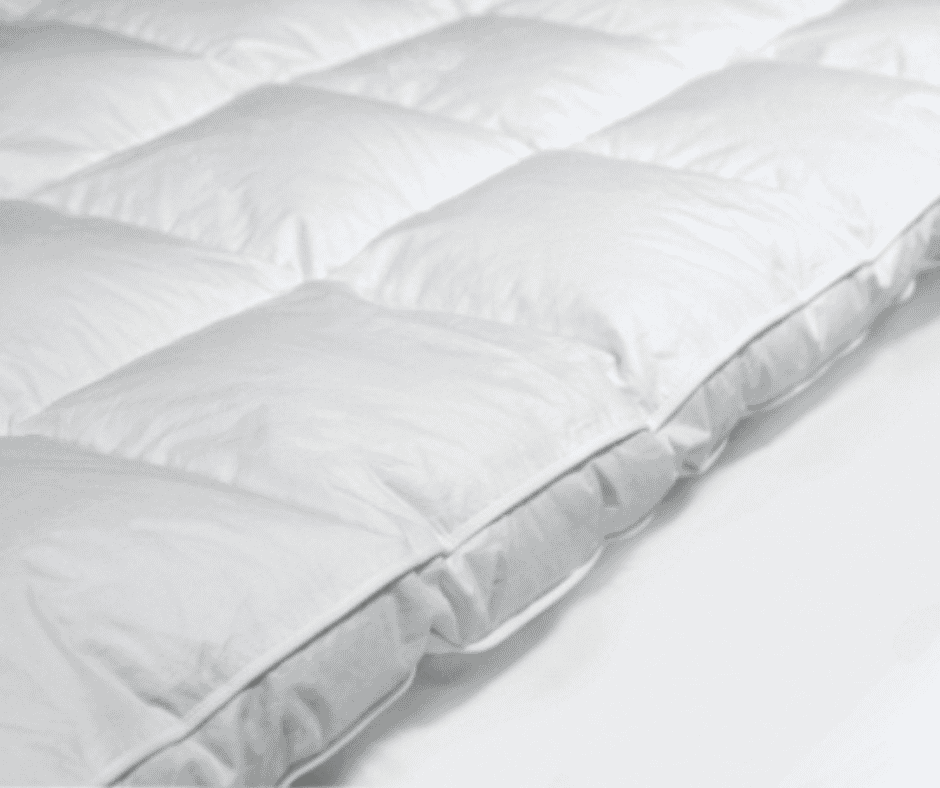
Hypodown® Bed is described as best for elevating a mattress with breathable, full-body comfort. Its role is to add a cushioned layer across the sleeping surface, helping create a softer, more enveloping feel. Breathability is relevant because it can help limit excessive heat buildup, while full-body coverage supports consistent comfort from shoulders to feet.
When evaluating comforters, consider dimensions, loft, warmth level, construction, and maintenance instructions. A suitable size should cover the mattress and accommodate normal movement during sleep. People sensitive to temperature changes may prefer breathable materials, while those in cooler rooms may value a fuller insulating layer. These practical details help distinguish everyday comforters from mattress toppers and blankets.
Comforters are one part of a broader bedding system that includes sheets and pillows, each contributing to feel and temperature regulation. They can also be considered alongside organic mattresses or organic crib mattresses when assessing material preferences and sleep needs. Understanding the function of each layer helps households choose bedding suited to different ages, climates, and comfort requirements.
 Bedding